
Reading the board at a Newcastle pub poker night or settling in for an arvo session online, the maths behind a call matters more than the bluff. Poker pot odds calculation gives you a clear way to weigh risk against reward, and it sits comfortably beside the kind of release-readiness checks I used to run before a platform went live. When the numbers are right, you decide on probability rather than instinct, and that discipline carries over to how you choose where to play. A site that treats verification, support and responsible-play tools with the same rigour is worth a fair go, and you can start by checking the operator details on mine-in-out-au.com before you deposit a single dollar.
What the Maths Actually Measures
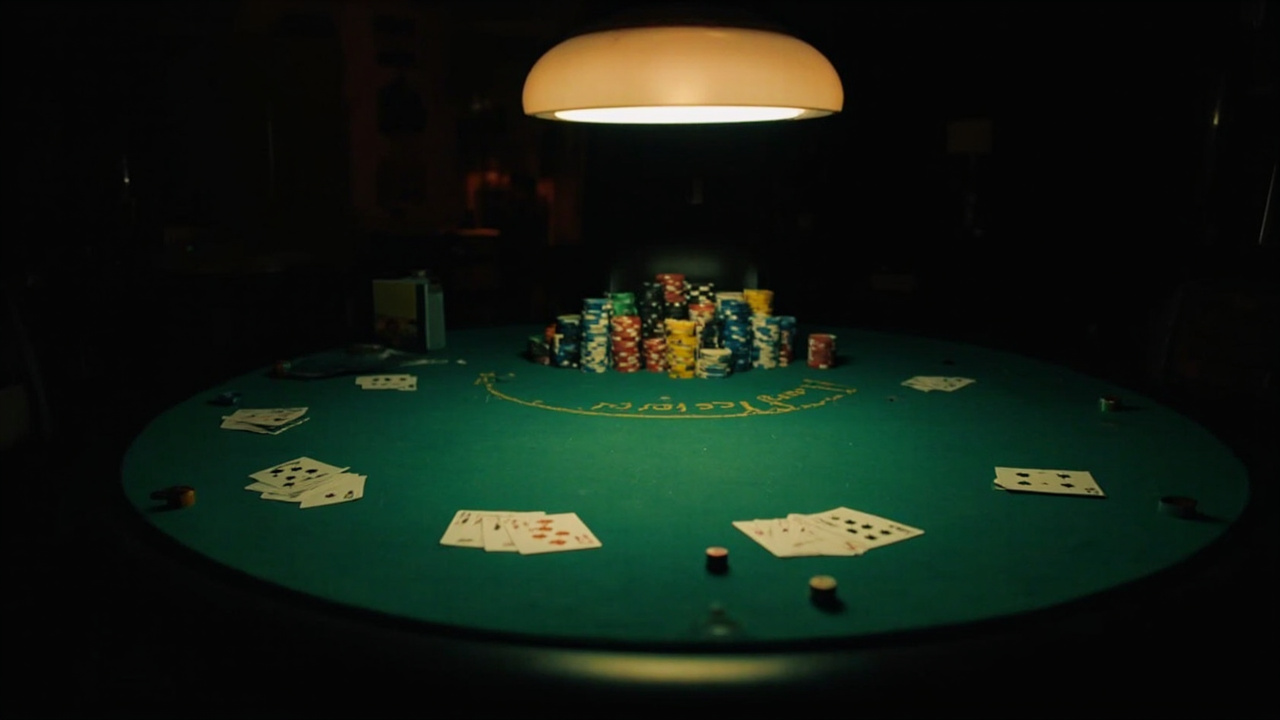
Pot odds are simply the ratio between the chips you must call and the total pot you stand to win, turned into a percentage you can compare against your hand’s chance of improving. If the pot sits at $80 and your opponent bets $20, you are calling $20 to win $100, which is 20 per cent of the final pot. Any hand that wins more than 20 per cent of the time from that spot is a profitable call in the long run, and that is the whole point of the exercise. The calculation strips out the noise of a scary river card or a big bet and leaves you with a plain probability question.
In my QA days I watched teams treat a build the same way: you do not ship a feature because it feels polished, you ship it when the acceptance criteria actually hold up under load. Poker pot odds calculation works on that same principle. You are not guessing whether a draw is lucky; you are checking whether the price of the call matches the odds your hand improves. That judgement call matters because players who skip it tend to bleed chips on draws that are not worth the ticket, while the ones who run the numbers stay ahead over hundreds of sessions rather than a single lucky hour.Caribbean Stud Poker Odds and Strategy
The practical side is that you do not need a calculator at the table, just a quick sense of common ratios. A flush draw on the turn usually hits around one in five times, so a pot offering better than five-to-one on a call is the kind of spot worth taking. If the maths says fold, folding is the disciplined play, and that is the habit that separates a recreational session from a grind that holds up over time.
Reading the Numbers at the Table
Counting Outs and Comparing Price
The first job is to count your outs, which are the unseen cards that will give you the winning hand. A four-card flush draw on the flop usually carries nine outs, and a set of open-ended straight draws adds eight more, so you can work out a rough percentage by doubling the outs and adding a little for the turn and river together. That rough figure is what you compare against the price of the call, and the comparison is where poker pot odds calculation stops being theory and starts being a real decision.
I have seen testing teams approve a payment flow because it looked clean on a sunny Tuesday, only to find it buckled under a busy weekend queue. The same thing happens at the felt when a player calls on a gut feeling instead of the actual price. If the pot is offering you three-to-one and your draw is only two-to-one, the call is a leak, plain and simple. You do not need a perfect read on your opponent to see that the maths says walk away, and taking that line consistently is what keeps a bankroll intact.
Turn and River Decisions
By the turn, the picture narrows because there is only one card left to come, and that changes the price you are willing to pay. A draw that looked reasonable on the flop can become an expensive ticket on the turn if the bet size climbs, and that is when the calculation earns its keep. You are no longer asking whether the hand could improve; you are asking whether the improvement is enough to justify the chips you are putting in now.
This is the stage where a site’s account controls and responsible-play tools matter as much as the maths on the felt. A platform that lets you set deposit limits, review session activity and pause play without friction gives you the same kind of structured decision-making you are trying to run at the table. When you are weighing a big call on a late street, it helps to be playing somewhere that treats your account security and support access as a serious build, not a bolt-on, and the operator details on mine-in-out-au.com are a sensible place to start that check.
Why the Calculation Fits Australian Players
Australian players tend to value a straightforward game where the rules are clear and the edge is real, and poker pot odds calculation delivers exactly that kind of transparency. It does not promise a win, and it does not pretend that a bad beat will not happen; it simply gives you a way to make calls that are profitable over time rather than hopeful in the moment. That fits the way a lot of local players approach the game, especially when they are balancing a regular session with work, family and a busy week.mine-in-out-au.com
The calculation also pairs well with the kind of operator you want behind your described here account. Licensing, secure payments and clear support channels are the equivalent of a stable release: you notice them most when something goes wrong, and you are glad they were built properly before that moment. If you are comparing where to play, it is worth reading a related piece on Caribbean Stud Poker odds and strategy for smarter play, because the same habit of checking the odds before you commit carries across different table games. No worries, the principle is the same whether you are chasing a flush or weighing a Caribbean Stud decision: the price has to make sense before you put the chips in.
The habit of running the numbers also keeps you honest about session length and stakes. When you know the maths behind a call, you are less likely to chase a losing hand on emotion, and that discipline is exactly what responsible-play tools are designed to support. A platform that gives you visible limits, clear withdrawal paths and a support team that answers in a reasonable time is the kind of place where the maths can actually do its job, because you are not fighting the operator at the same time as you are fighting the deck.
For players in and around Newcastle, that combination of clear maths and a well-built operator matters even more when you are squeezing in a session between work and family commitments. You want a game that respects your time, a site that treats your account with proper care, and a calculation that tells you when to call and when to fold. Poker pot odds calculation gives you the decision framework, and a reputable operator gives you the environment where that framework actually works.
The verdict is straightforward: run the numbers, respect the price, and choose an operator that treats licensing, security and support with the same discipline you bring to the table. When the pot odds say fold, folding is the profitable play, and when the site behind your account is built properly, you can focus on the game instead of second-guessing the platform.